
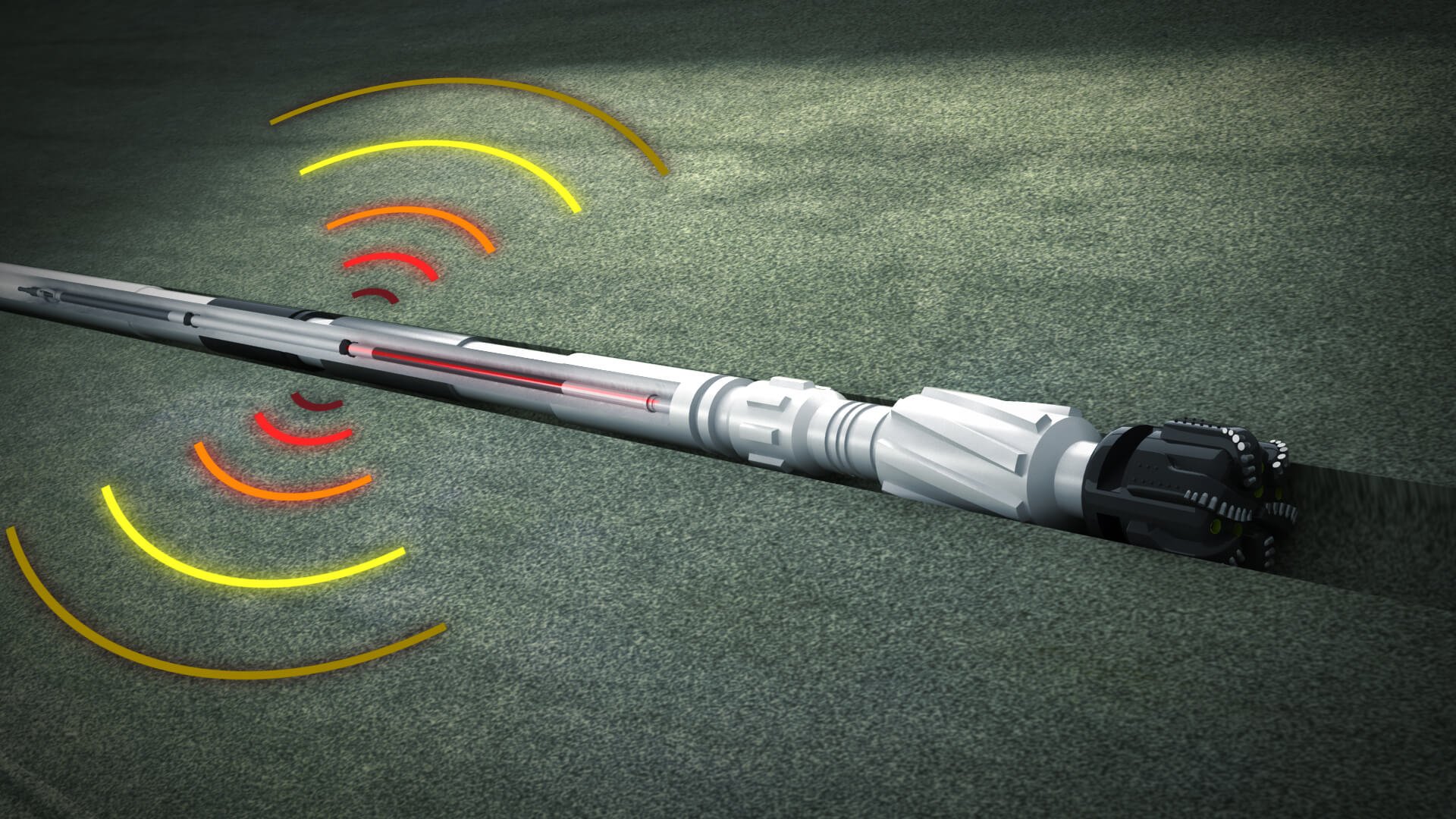
Downhole tool failure prevention in directional wells comes down to four controls: managing vibration and fatigue loads, keeping mud clean and within spec, running motors and rotary steerables inside their torque and thermal limits, and watching real-time downhole data closely enough to act before a tool quits. Rising vibration counts or falling motor output often show up in the data before a tool fails.
Specialized Energy Services is a directional drilling company serving oil and gas operators in the Permian Basin, Delaware Basin, and South Texas. Our crews run rotary steerable systems (PowerDrive Orbit G2 and iCruise), high-torque drilling motors, GT-MWD, live geosteering, and AI Driller real-time downhole analytics. Across 134 wells and 1,974,067 feet drilled, we have held 98.97% tool reliability. The habits described below are how we got there.
Every unplanned trip burns rig time. Pulling out of a lateral, laying down a failed tool, picking up a backup, and tripping back to bottom can eat most of a day or more, depending on depth and hole condition. On a well that could otherwise go spud to TD in under five days, one trip can wipe out the margin you planned for.
What actually causes downhole tool failures in directional wells?
They usually build from repeated loads that the tool can tolerate once but not thousands of times. In our experience, the root causes fall into five groups.
Vibration and cyclic fatigue
Vibration causes more failures than anything else we see. A JPT review of drilling and logging equipment reliability describes two typical failure modes: resonance, where vibration frequency approaches the natural frequency of the drillstring and peak loads approach or exceed the strength of the tool, and fatigue damage from long-term or repeated vibration and impact. Lateral whirl, stick-slip, and axial bit bounce all add cycles. Electronics in MWD and RSS tools take the hit first, which shortens MWD tool life well before anything breaks mechanically.
Drill string components carry the same burden. Drillopedia's overview of directional drilling challenges attributes roughly 80% of drill string issues to fatigue from cyclic stresses, showing up as washouts, twist-offs, or parting. Deviated wells stack bending, torsion, and axial loads on top of each other, so a curve section is harder on components than a vertical hole at the same depth.
Thermal cycling
Heat alone degrades elastomers and electronics, but cycling is often worse. Tools that circulate hot, sit static during connections, then circulate again see repeated expansion and contraction. Deep Delaware Basin laterals push this harder than shallower South Texas wells. Stator rubber in a mud motor and seals in an RSS are the usual weak points.
Mud contamination and solids
High sand content, poor solids control, and debris in the system erode bearings, wear rotary steerable pads, and plug MWD pulsers. Incompatible chemistry can also swell or harden motor elastomers. A directional drilling motor failure that looks like a power section problem often traces back to what was in the mud for the last 50 hours.
Torque and differential pressure limits
Motors stall when pushed past their differential pressure rating. Repeated stalls chunk stator rubber and overload the transmission. Running near the limit to chase ROP can look productive until the motor gives out halfway through the lateral.
Misalignment and excessive bending
Doglegs, high tortuosity, and poor BHA design put bending loads on connections and housings. Bending loads in a curve are where fatigue cracks start. Smooth well paths also reduce bending loads on tools, so reducing wellbore tortuosity in extended reach laterals belongs in any reliability plan.
How do you select tools that will survive the interval?
Choose the tool for the temperature, formation, and length of the interval you are drilling.
- Know the temperature profile. Pull offset bottomhole temperatures and confirm every tool in the string is rated with margin, including the MWD and any sensors.
- Size the motor for the job. Choose a power section with torque headroom for the formation and bit you plan to run. A high-torque motor run at moderate differential lasts longer than a smaller motor pinned near stall.
- Decide RSS or motor on the interval, not habit. Rotary steerables reduce sliding, improve hole quality, and lower bending cycles in long laterals. Motors can still be the better choice in some intervals. We break down the tradeoffs in our rotary steerable system vs mud motor comparison.
- Check run history on the specific tool. Hours since last rebuild, previous circulating hours, and any shock or vibration events logged on the last run all matter. A tool with clean history is a better bet than one that came back with flagged events.
- Design the BHA for stability. Stabilizer placement, bit selection, and component spacing change vibration response. Model it before the run when the interval is known to be rough.
How should you operate tools to reduce drilling downtime?
These are the habits that protect rotary steerable tool reliability and motor life on location.
Run inside the operating envelope
Set clear limits for differential pressure, WOB, RPM, and flow rate before spud, and make sure the driller and company man see the same numbers. If drilling parameters keep drifting toward the edge, that is a conversation to have before a tool fails, not after.
Manage vibration actively
When shock and vibration readings climb, change parameters. Adjusting RPM out of a resonant band, easing WOB, or picking up off bottom to break stick-slip costs minutes. A failed tool costs a trip. The real penetration rate measured downhole often shows that the aggressive parameters were not drilling faster anyway.
Keep the mud clean
- Run shakers with the finest screens the flow rate allows.
- Track sand content and solids on a regular schedule, not only when problems show up.
- Confirm chemistry changes are compatible with motor elastomers and RSS seals before adding them.
- Screen for debris after any work that could introduce junk into the system.
Limit thermal swings
Keep circulation consistent where practical, minimize long static periods at depth, and stage circulation when going back to bottom on hot wells.
Cut the number of trips you plan for
Every planned trip is also a chance for an unplanned problem: swab, surge, hole issues, and handling damage. Building a BHA and program that can drill curve and lateral in one run avoids the extra trip between them and the exposures that come with it. Our fastest wells, 2.11 days in Dimmit County and 4.13 days in Lea County, New Mexico, came from plans built around keeping tools in the hole.
How does real-time downhole monitoring catch failures early?
Engineers who study failures in drilling work keep reaching the same conclusion. A McKim and Creed review of horizontal directional drilling failures found that many were preceded by signs of impending problems, and asked whether those signs could be identified in time to intervene. In oilfield directional work, the answer is yes, if the data is there and someone is watching it.
What warning signs show up before a tool fails?
- Rising shock and vibration counts over several stands, even if no single reading looks extreme.
- Erratic differential pressure or a gradual loss of motor output at the same flow rate, pointing to stator wear.
- Increasing downhole temperature trending toward a tool rating.
- Toolface instability that does not match formation changes, often tied to vibration or mechanical wear.
- Weakening or noisy MWD pulses that suggest pulser erosion or debris.
- Stick-slip severity that keeps returning after parameter changes.
What does AI Driller add?
Surface data alone misses much of what happens at the bit. AI Driller reads downhole measurements in real time, flags trends that point toward damage, and gives the directional driller a recommendation while there is still time to act. That might mean changing RPM, backing off WOB, adjusting flow, or planning a controlled trip at a convenient point instead of losing a tool mid-lateral. We cover the mechanics in more depth in our post on how real-time downhole data cuts NPT.
With that earlier warning, the crew can make one small adjustment instead of taking one expensive trip.
What should a downhole tool failure prevention checklist include?
Use this before and during every directional run:
- Pre-job: offset temperature data, tool ratings with margin, tool run history, BHA vibration modeling for known rough intervals, agreed operating limits.
- Well plan: smooth trajectory, controlled dogleg severity, tortuosity targets, trip count minimized.
- Mud program: solids targets, sand content checks, elastomer compatibility confirmed.
- While drilling: live shock and vibration review, differential pressure trends, temperature trends, MWD signal quality.
- Post-run: teardown findings logged, failure causes recorded, lessons fed into the next well plan.
The post-run step is the one most often skipped. Teardown reports are how you learn whether a failure came from vibration, contamination, heat, or overload, and that is how the next run gets longer.
Ready to keep your tools in the hole?
We run directional programs for operators in the Permian Basin, Delaware Basin, and South Texas, aiming to reach TD with fewer trips and less NPT. Our 98.97% tool reliability across 134 wells reflects tool selection, set operating limits, and AI Driller monitoring the downhole data on every run. If unplanned trips are stretching your spud-to-TD days, contact our team to review your next well plan and BHA design.
What causes downhole tool failures in directional wells?
Most failures build from repeated loads rather than a single event. The main root causes are vibration and cyclic fatigue, thermal cycling, mud contamination and solids, exceeding motor torque and differential pressure limits, and misalignment or excessive bending from doglegs and tortuosity.
How do you reduce mud motor failures in a lateral?
Size the motor with torque headroom and run it at moderate differential instead of pinned near stall, since repeated stalls chunk stator rubber and overload the transmission. Keep the mud clean with fine shaker screens and regular sand content checks, and confirm chemistry is compatible with motor elastomers before adding it.
What are the warning signs before an MWD or RSS tool fails?
Watch for rising shock and vibration counts over several stands, erratic differential pressure or loss of motor output at the same flow rate, and downhole temperature trending toward the tool rating. Toolface instability that does not match formation changes, weak or noisy MWD pulses, and stick-slip that keeps returning after parameter changes are also common precursors.
How does real-time downhole monitoring prevent unplanned trips?
Downhole data shows what is happening at the bit that surface data misses, so damaging trends can be flagged before a tool quits. With early warning, the directional driller can adjust RPM, WOB, or flow, or plan a controlled trip at a convenient point instead of losing a tool mid-lateral.